
- Email Us: Tormsforum@gmail.com
- Call Us: 9971703341
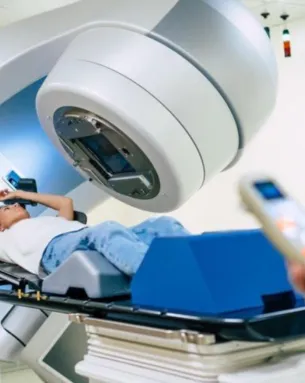
Understanding Oncology: The Foundation of Cancer Treatment
Oncology is the branch of medicine dedicated to the diagnosis, treatment, and research of cancer. Oncologists, the specialists in this field, work to understand the complex nature of cancer, develop effective treatments, and improve patient outcomes. The field of oncology encompasses various subspecialties, including medical oncology, surgical oncology, and radiation oncology, each focusing on different aspects of cancer treatment. Common types of cancers include breast cancer, lung cancer, colorectal cancer, prostate cancer, and skin cancer. These cancers vary in their origins, symptoms, and treatment approaches, making the role of oncology critical in providing targeted and effective care.
Major Advances in Oncology: Revolutionizing Cancer Care
Recent advancements in oncology have significantly transformed cancer treatment, offering new hope to patients. Precision medicine has emerged as a revolutionary approach, allowing treatments to be tailored to the genetic profile of each patient's tumor. This individualized strategy enhances treatment efficacy and minimizes side effects. Immunotherapy, which leverages the body's immune system to combat cancer, has shown promising results in various cancers, including melanoma and lung cancer. Additionally, advancements in targeted therapies have improved outcomes for patients with specific genetic mutations. These innovations are not only improving survival rates but also enhancing the quality of life for cancer patients.
The Future of Oncology: Integrating Technology and Holistic Care
The integration of advanced technologies and holistic care is shaping the future of oncology. Robotic-assisted surgery, for instance, allows for minimally invasive procedures with greater precision, reducing recovery times and improving patient outcomes. This technology is particularly beneficial for complex surgeries in cancers such as prostate, colorectal, and gynecologic cancers. Alongside technological advancements, the importance of holistic care in oncology is increasingly recognized. Addressing the emotional, psychological, and social needs of cancer patients through palliative care, counseling, and support groups is essential for comprehensive cancer treatment. By combining cutting-edge technology with holistic care, oncology aims to provide not only effective cancer treatment but also overall well-being for patients and their families.

Common Types of Cancers: Key Insights and Characteristics
A Closer Look at Major Cancer Types and Their Traits
- Breast Cancer: Common in women; early detection improves outcomes
- Lung Cancer: Leading cause of cancer death; smoking major risk
- Colorectal Cancer: Affects colon/rectum; screening crucial for prevention
- Prostate Cancer: Common in men; often slow-growing and treatable
- Skin Cancer: Includes melanoma; early detection vital for treatment
- Bladder Cancer: Affects urinary bladder; smoking increases risk
- Kidney Cancer: Involves kidneys; early-stage detection key to management
- Pancreatic Cancer: High mortality; often diagnosed in advanced stages
Evidence-Based Strategies for Cancer Prevention
Implementing Proven Methods to Minimize Cancer Risk
- Nutritional Intake: Prioritize a diet rich in fruits, vegetables, and fiber
- Physical Activity: Engage in regular aerobic and strength-training exercises
- Weight Management: Achieve and maintain a healthy body mass index (BMI)
- Vaccination Protocols: Immunize against HPV and hepatitis B to prevent cancer
- Screening Guidelines: Adhere to recommended screenings for early detection
- Tobacco Avoidance: Eliminate use of tobacco products to reduce risk
- Alcohol Moderation: Limit alcohol consumption to decrease cancer susceptibility
- Sun Safety: Apply sunscreen and avoid peak UV radiation times

The Role of Palliative Care in Cancer Management
Integrating Palliative Strategies to Support Cancer Prevention and Care
- Symptom Control: Effective management of cancer-related symptoms and side effects
- Pain Management: Advanced techniques for alleviating chronic cancer pain
- Psychosocial Support: Psychological counseling to address emotional distress
- Nutritional Support: Tailored dietary plans to enhance patient resilience
- Care Coordination: Streamlined integration of multidisciplinary healthcare services
- Quality of Life: Focus on improving overall patient well-being
- Advanced Care Planning: Guidance on future medical care preferences and goals
- Holistic Care: Comprehensive approach addressing physical, emotional, and spiritual needs
Our Expert Doctors
Our team
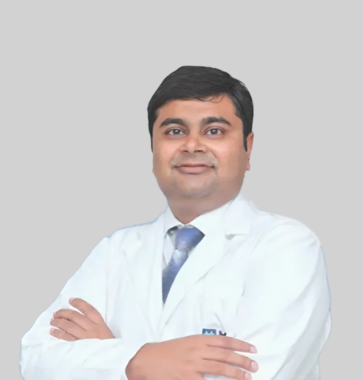
Urologist, Urologist, Urology Oncologist and Robotics

Oncologist
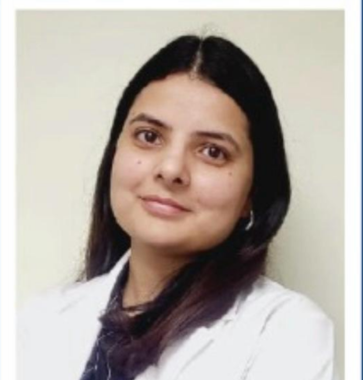
Pain and Palliative Medicine Specialist

Head and Neck Surgeon
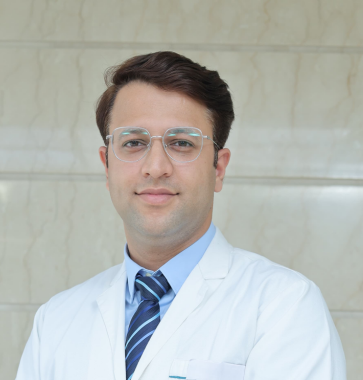
Radiation Oncologist
Location & Location Map
 Address
3rd FLOOR, PLOT NO.4, PUSHPANJALI ENCLAVE, East Delhi 110092, Delhi