
- Email Us: Tormsforum@gmail.com
- Call Us: 9971703341

Advancements in Robotic Technology for Precision Cancer Surgery
Robotic oncology surgery represents a significant advancement in the management of cancer through its integration of robotic technology into surgical practices. This specialized branch leverages robotic systems, such as the da Vinci Surgical System, to enhance the precision and control of oncological procedures. By providing a high-definition, magnified 3D view of the surgical field, robotic systems enable surgeons to perform complex operations with unparalleled accuracy, reducing the likelihood of residual tumor and minimizing the risk of surgical complications.
Benefits of Minimally Invasive Robotic Procedures in Oncology
The minimally invasive nature of robotic oncology surgery offers numerous benefits over traditional open surgical techniques. With smaller incisions and advanced instrumentation, robotic surgery results in less surgical trauma, decreased blood loss, and a lower risk of postoperative infections. The reduced physical stress on the patient translates to shorter hospital stays, faster recovery times, and diminished postoperative pain, which enhances overall patient satisfaction and quality of life.
Future Innovations and Evolution in Robotic Oncology Surgery
Robotic oncology surgery is continuously evolving with advancements in technology and surgical techniques. Emerging innovations, such as enhanced robotic systems with greater dexterity and improved imaging modalities, promise to further refine surgical precision and extend the capabilities of robotic interventions. As research and development in robotic surgery progress, the integration of these technologies into routine oncological care is expected to optimize treatment outcomes and set new standards in cancer surgery.
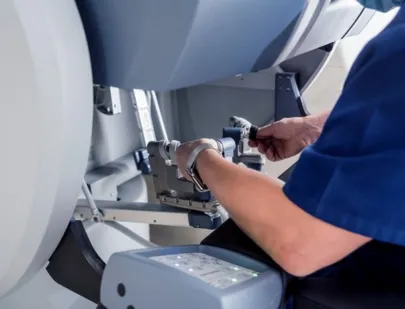
Advantages of Robotic Surgery
Enhanced Precision and Outcomes in Minimally Invasive Procedures
- Increased Surgical Precision: Enhances accuracy for complex procedures
- Minimized Incision Size: Results in smaller, less invasive cuts
- Reduced Blood Loss: Decreases the likelihood of excessive bleeding
- Shorter Recovery Time: Accelerates patient healing and discharge
- Improved Postoperative Outcomes: Enhances overall surgical results and safety
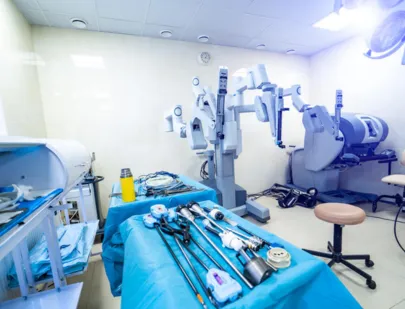
Laparoscopic vs. Robotic Surgery
Comparing Techniques for Precision and Recovery Benefits
- Precision: Robotic offers superior control over laparoscopic
- Incision Size: Both are minimally invasive with small cuts
- Visualization: Robotic provides 3D views; laparoscopic uses 2D
- Recovery Time: Robotic often leads to quicker recovery
- Cost: Robotic surgery generally involves higher expenses
Our Expert Doctors
Our team

Urologist, Urologist, Urology Oncologist and Robotics

Oncologist

Pain and Palliative Medicine Specialist

Head and Neck Surgeon

Radiation Oncologist
Location & Location Map
 Address
3rd FLOOR, PLOT NO.4, PUSHPANJALI ENCLAVE, East Delhi 110092, Delhi